

Autumn · City
Salt Edition · The Autumn Collection
A quieter
kind of
beautiful.
Art for your screen. A little atmosphere for your everyday. Discover peaceful TV art and let your room become a feeling.
Explore on YouTube ↗MORE ART, LESS NOISE · 520 · 7 · 418
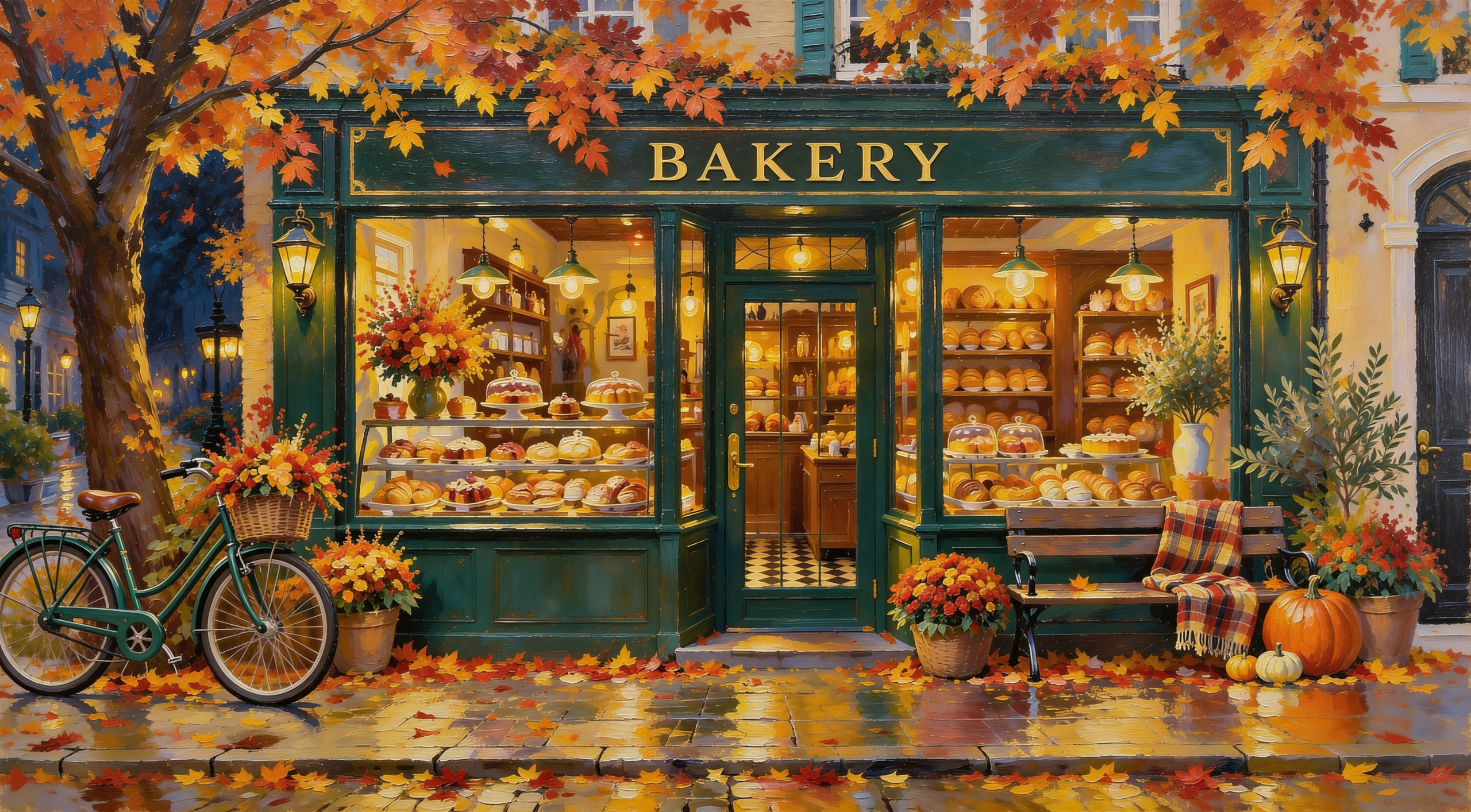
Autumn Bakery
Selected scene · 01 / 02
THE SCREEN AS A CANVAS
Find your atmosphere.
Cities dressed in autumn. Sunlit shores. Florals, color and quiet moments. Choose a scene and bring a little beauty into your everyday.

Summer · Coastal
Sailboat
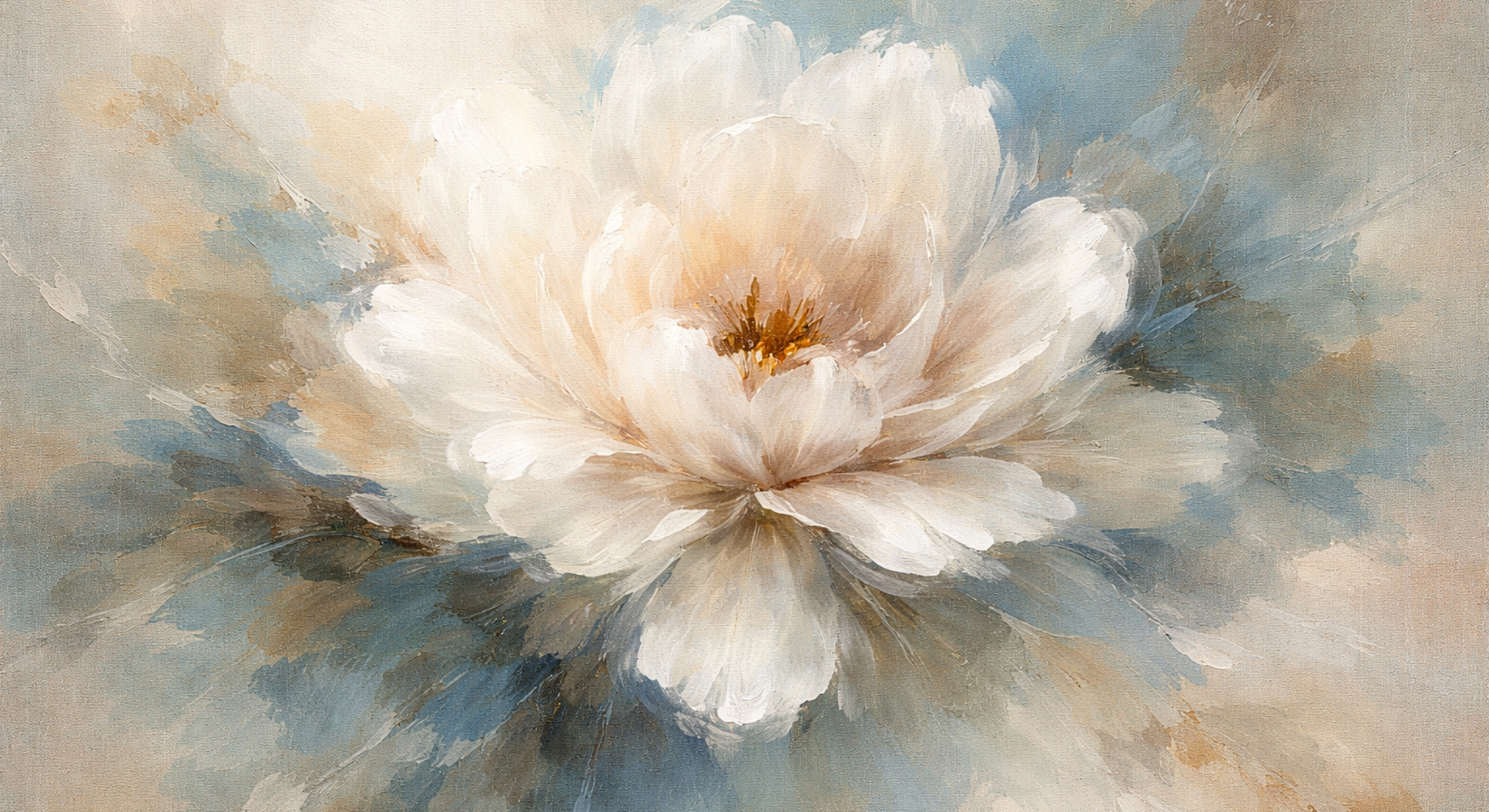
Floral · Soft Neutrals
Spring Flow I
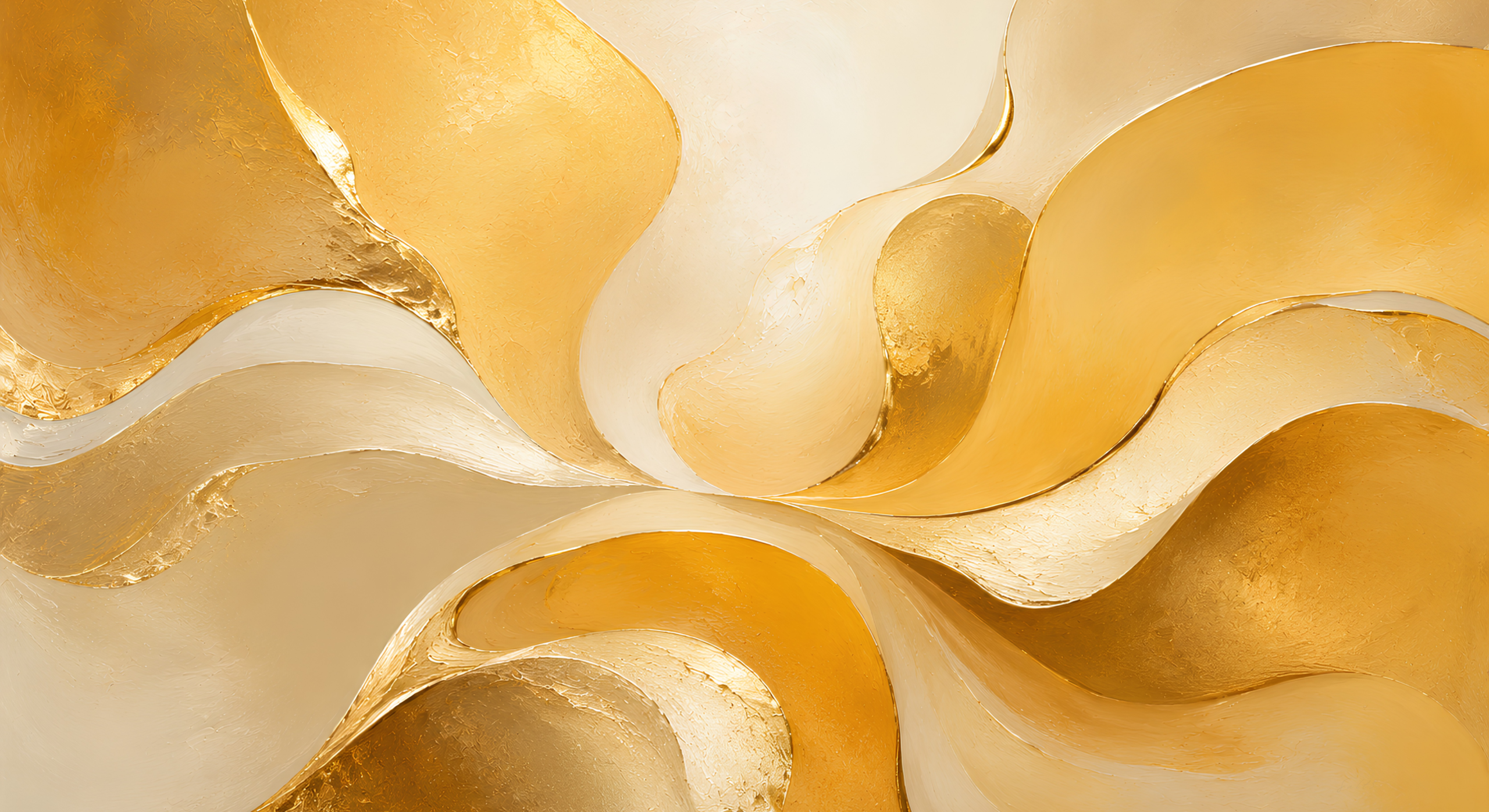
Abstract · Gold
Golden Veil
Autumn · Cozy
Autumn Bakery

Summer · Figurative
Woman by the Sea
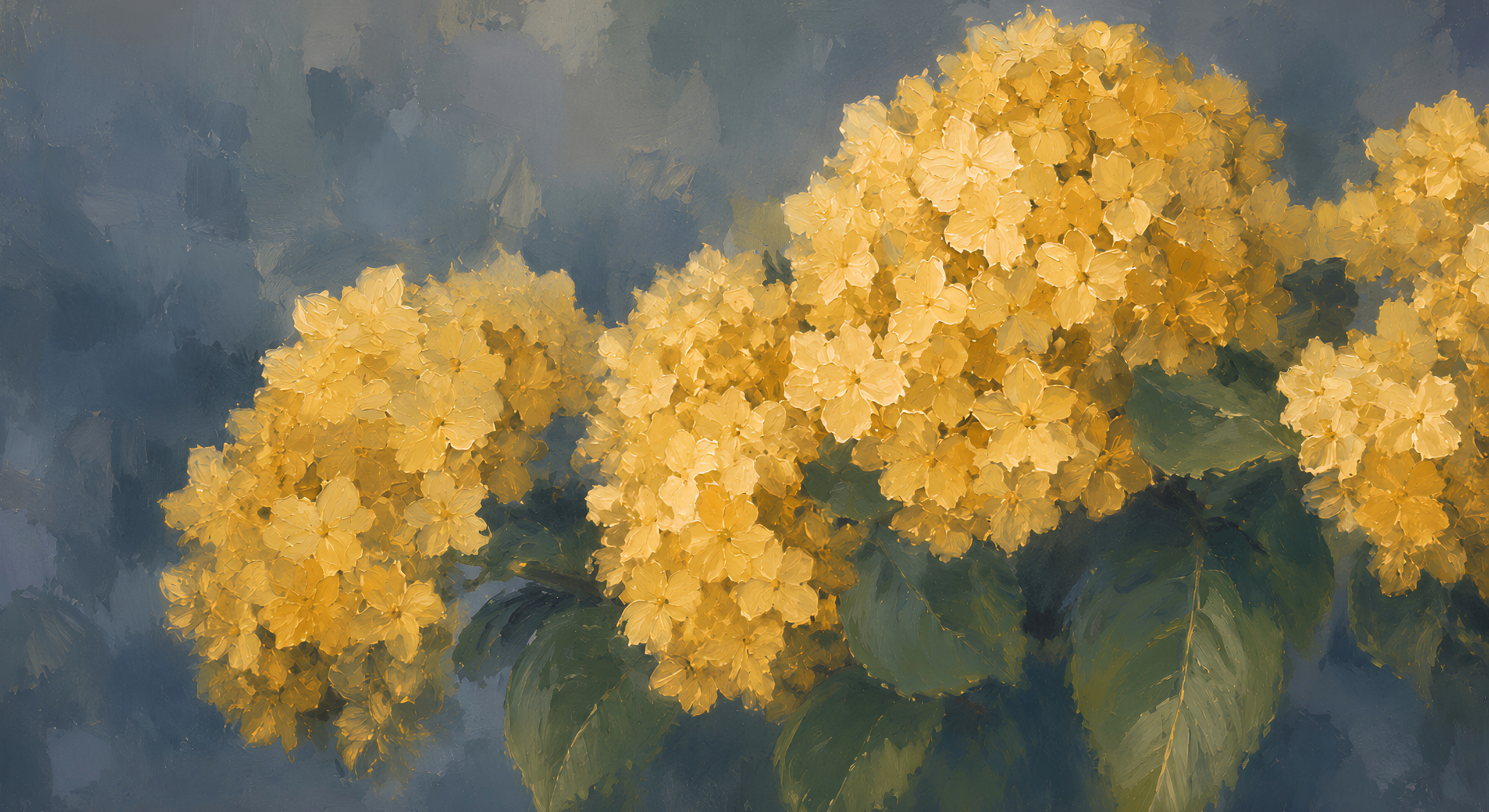
Floral · Summer
Golden Florals

Abstract · Blue
Blue Form II

Autumn · Wildlife
Deer in the Forest

Summer · Mediterranean
Sea Light V
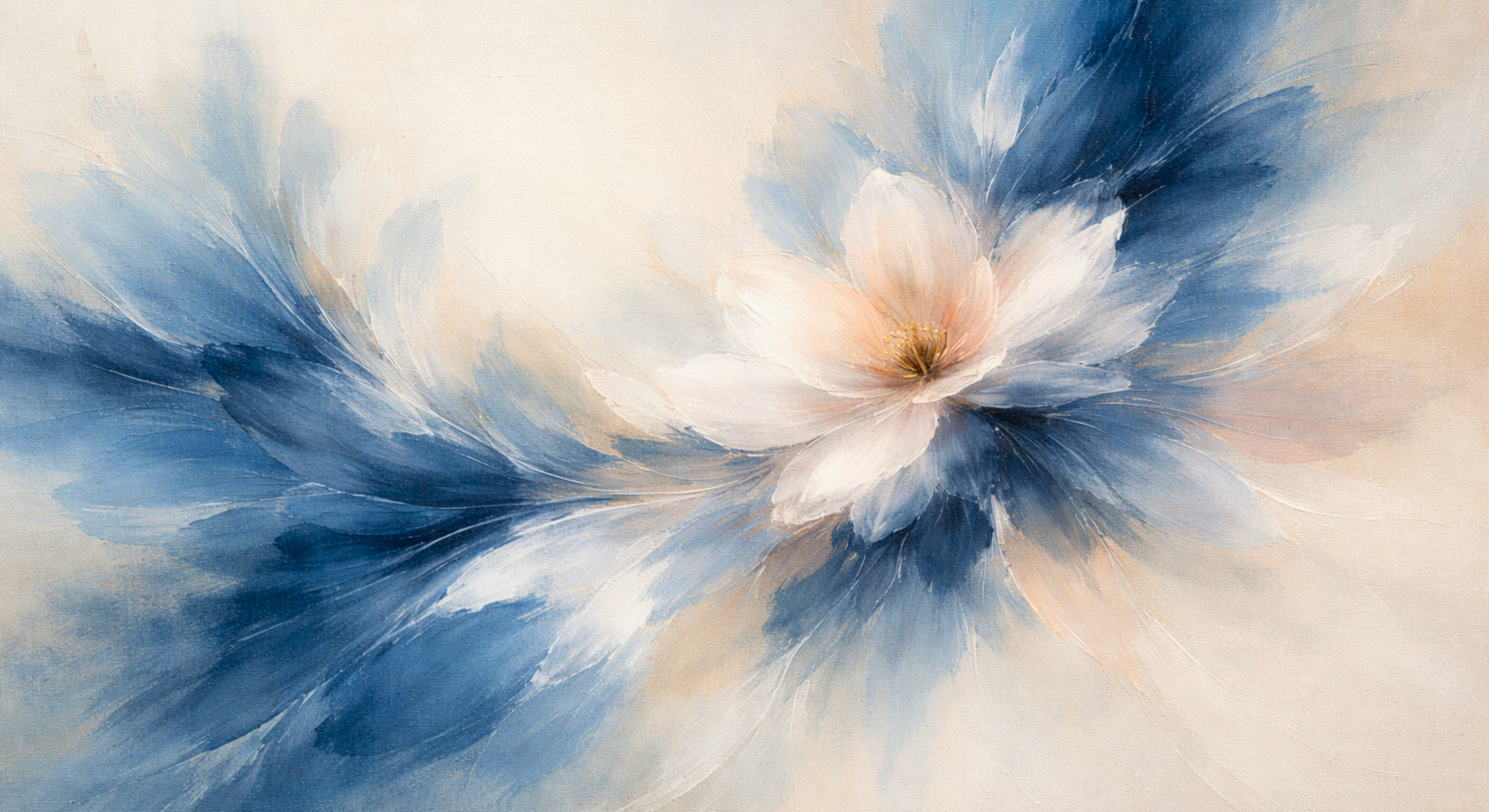
Floral · Blue
Spring Flow II
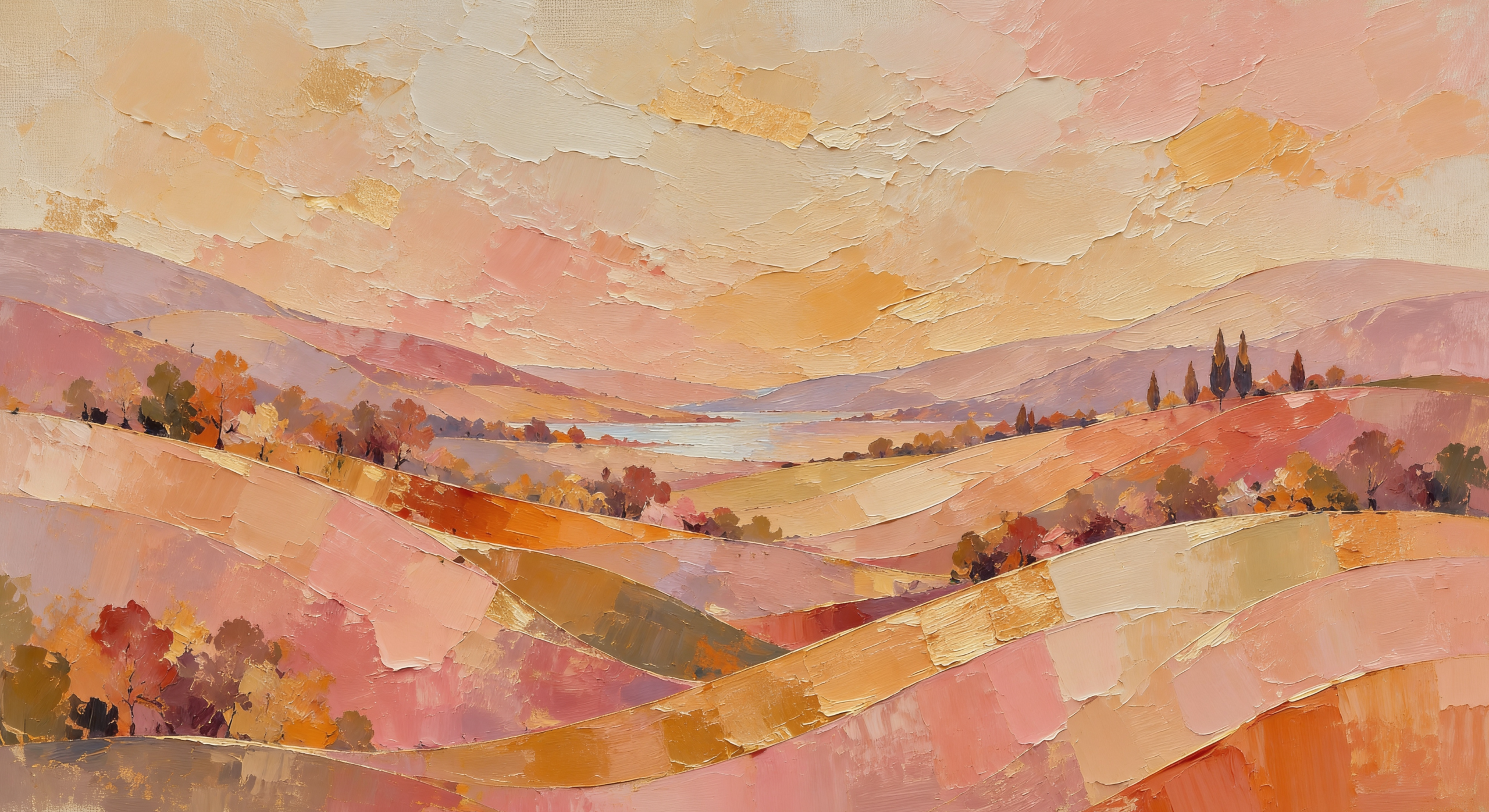
Abstract · Soft Autumn
Soft Autumn
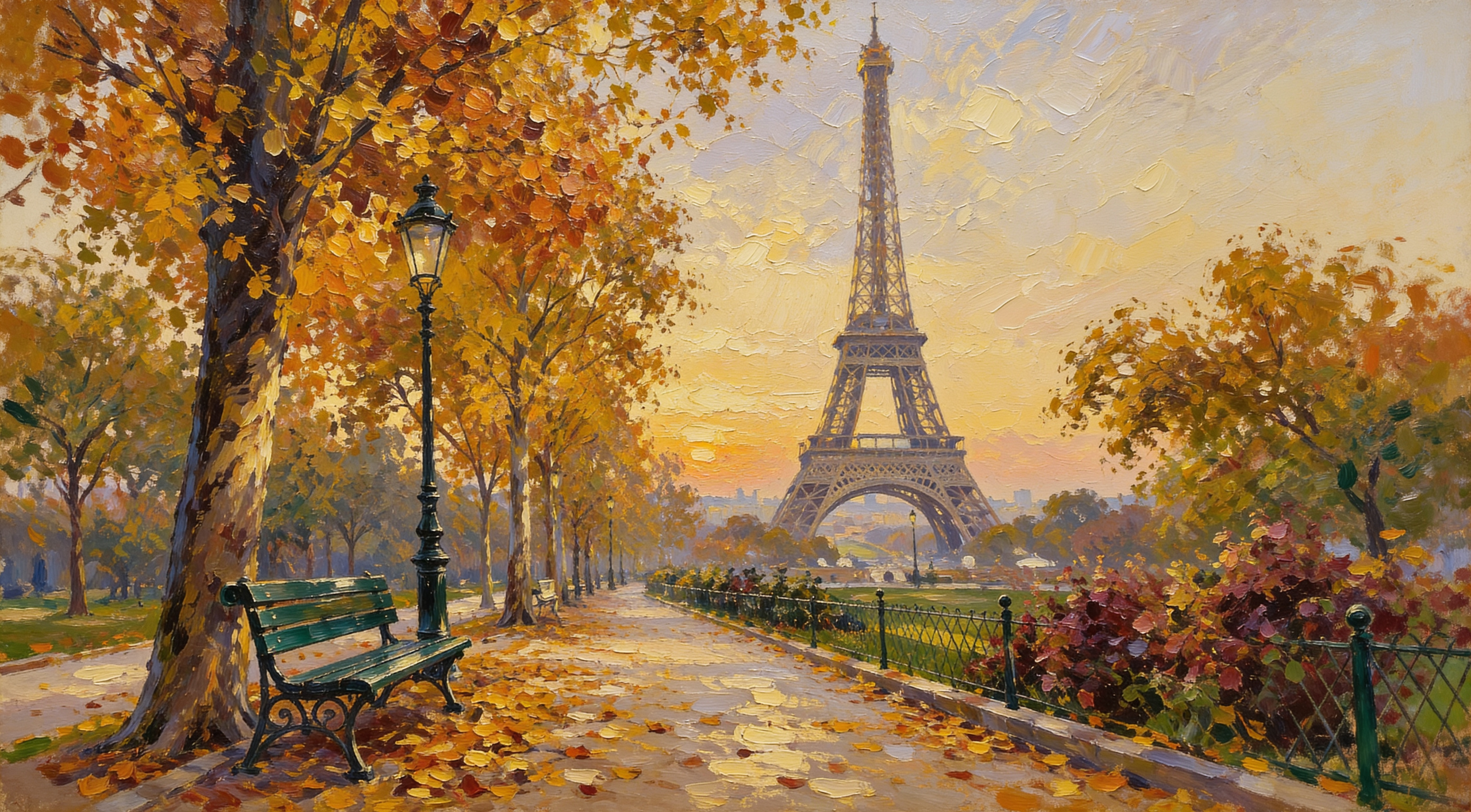
Autumn · City
Autumn in Paris
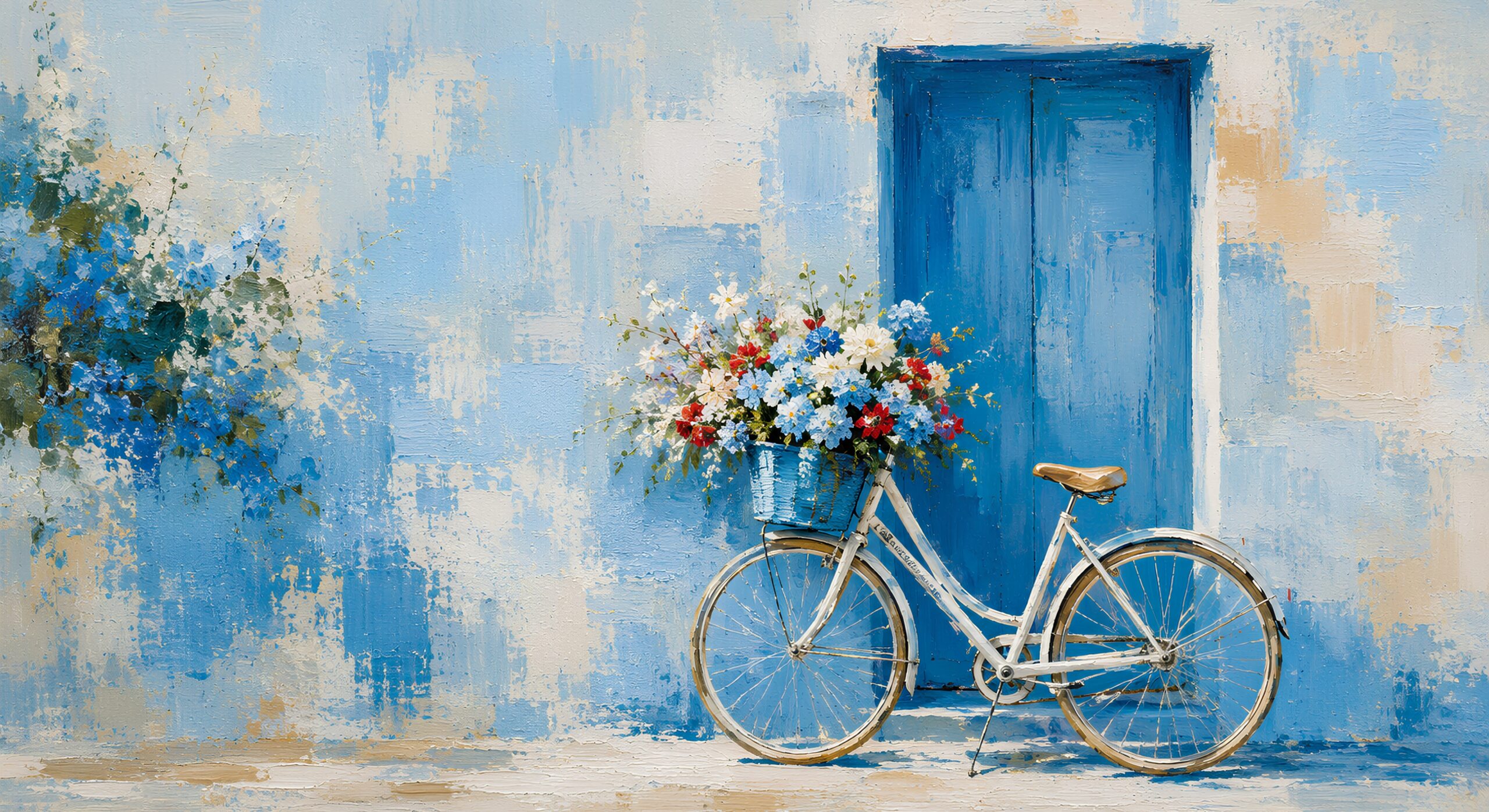
Summer · Vintage
Summer Bicycle
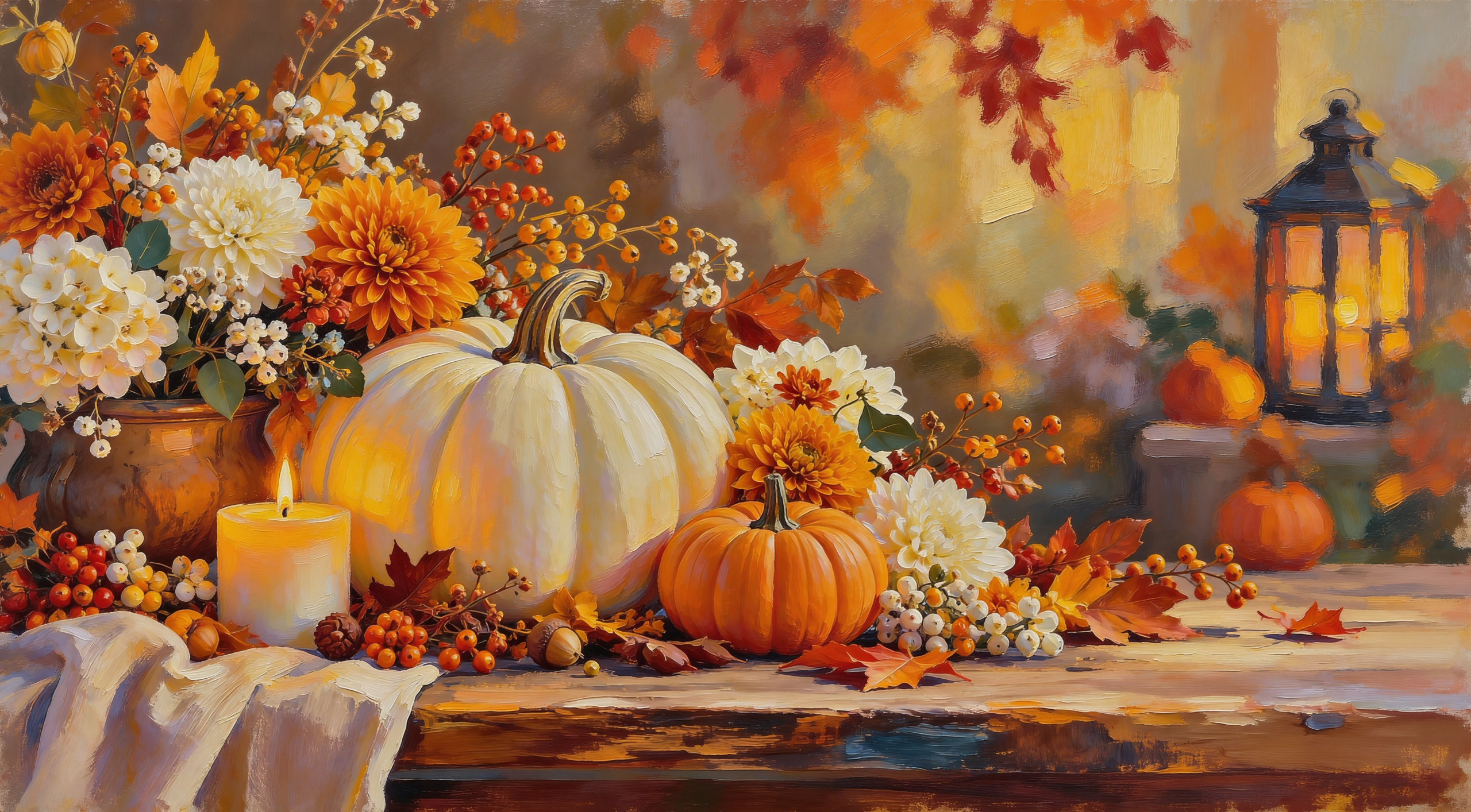
Floral · Autumn
Pumpkin Florals

Abstract · Marble
Marble Blue
A LITTLE SPACE TO NOTICE
The Salt Edit
Thoughts on art, atmosphere, and the beauty of everyday moments.
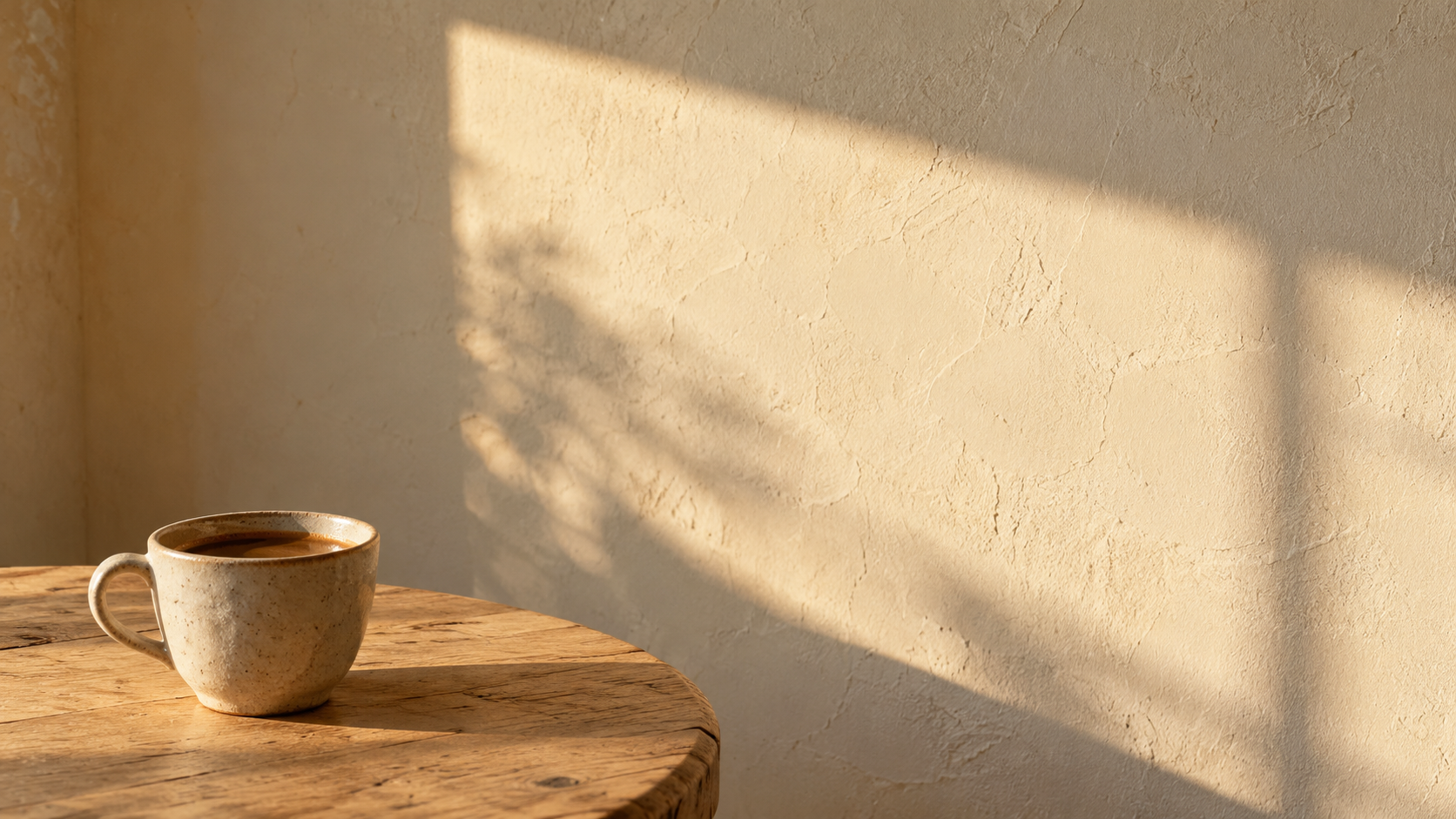 ESSAY 01
The Art of Noticing
Sunlight, coffee, clouds, and the quiet beauty of paying attention.
Read the essayClose the essay
Some mornings, sunlight reaches a wall before we have quite reached the day.
A pale rectangle appears beside the window. The edge of a curtain moves across it. For a few minutes, an ordinary room holds something you might want to photograph, paint, or simply watch. Then the light shifts, and the wall becomes familiar again.
These small changes are easy to miss. We are making breakfast, answering a message, thinking about what comes next. Yet they offer a quiet way into the everyday: something to notice without needing to turn it into anything else.
Sunlight on a wall
Light gives a room different versions of itself.
In the morning, it might reveal the uneven texture of plaster. Later, it warms the corner of a table or catches the rim of a glass. Even a blank wall has color when you spend a little time looking: cream near the window, gray in the corner, a soft yellow where the sun falls.
You can watch the same patch of light for a moment and see its edges change. Nothing needs arranging. The room is already offering a composition.
The color of your coffee
Before the first sip, there is the color.
Dark coffee can look almost black until light reaches its surface. Add milk, and pale ribbons move through the cup, folding into warmer shades of brown. A little foam gathers at the edge. The glaze of the mug brings its own color into the picture.
It is a brief, familiar scene. Tomorrow’s cup will be slightly different.
Perhaps that is part of its appeal. Beauty can belong to something you use every day, something warm enough to hold in your hands.
Clouds before rain
There is a moment before rain when the sky changes the feeling of everything beneath it.
Buildings look quieter. Trees become darker against the clouds. The light turns silver, and colors that seemed bright a few minutes ago grow softer.
Watching that change can be absorbing. One cloud has a blue-gray underside; another carries a pale edge. A distant patch of sky stays open while the rest gathers around it.
You do not need to name the clouds or predict the weather to enjoy looking. Sometimes it is enough to stand by the window and see what arrives.
The sound of running water
Attention also has something to do with listening.
Water filling a glass sounds different from water moving through a stream. At the sink, the sound changes as you turn the tap or place your hands beneath it. There is a rhythm to it, uneven and familiar.
For a moment, you might hear that sound on its own, before the kettle clicks or a car passes outside.
The everyday has textures we can hear as well as see.
A small practice in attention
Try choosing one thing today and staying with it a little longer than usual.
The shadow of a leaf. The color inside a cup. Rain gathering on a window. Water moving over your hands.
You might notice a detail you have passed a hundred times. You might find that it reminds you of a painting, a place, or a particular afternoon. Or you might simply enjoy it for a few seconds and carry on.
There is no need to make a habit out of every beautiful moment. Some can remain small and private.
For us, this is one of the pleasures of living with art: it gives us more reasons to look. A color on a screen can draw our attention to a color in the room. A painted landscape can remind us to glance outside.
And sometimes, after looking at a painting, we notice the sunlight on the wall.
More art, less noise.
— Salt Edition
 ESSAY 02
What Is Beauty?
Color, light, imperfection, and the feeling that makes us pause.
Read the essayClose the essay
Beauty often arrives before we have found words for it. A particular blue stops us in the street. Light settles across a table. An uneven ceramic bowl feels right in our hands.
We might describe what we see, yet the description never quite explains why we wanted to stay with it.
Color
A color rarely belongs to itself alone. Cream looks warmer beside blue. A small patch of rust can change the feeling of a pale room. In a painting, the quietest color sometimes holds the whole composition together.
What attracts us can change, too. A shade we once passed over may remind us of a place we miss or an afternoon we remember clearly. Looking becomes personal.
Light
The same object can feel entirely different at different hours. Morning light reveals a surface; evening light lets parts of it disappear.
A glass on the windowsill, a fold in a curtain, the edge of a leaf: light brings each forward for a moment. Beauty can be the meeting of an ordinary thing and the right hour.
Imperfection
A handmade cup may lean slightly to one side. An old table carries marks from meals we cannot remember. Paint gathers unevenly along a brushstroke.
These details give our eyes somewhere to linger. We can sense that something has been made, used, or changed. Its history becomes part of the way it looks.
Feeling
Sometimes the most beautiful room is the one where we feel comfortable enough to sit quietly. Sometimes a painting matters because it reminds us of home.
That response belongs to the person looking. We do not have to agree on every image or object to enjoy talking about what moves us.
A little room for your own answer
Try remembering the last thing you found beautiful. Was it a color, a shape, a sound, a gesture? What made you pause?
For Salt Edition, beauty begins with that pause: a small moment when our surroundings become more vivid, and we feel a little closer to them.
More art, less noise.
— Salt Edition
 ESSAY 03
When a Room Becomes a Feeling
How light, color, and art shape the atmosphere of everyday spaces.
Read the essayClose the essay
You can enter a familiar room and find that it feels different. The furniture is in the same place. The walls have the same color. But a lamp is on, the afternoon has softened, or a new image is playing on the screen.
Atmosphere gathers through details like these. We notice their effect even when we have not noticed each detail separately.
Begin with the light
Watch your room at the hour when you most enjoy being there. See where the daylight falls and which corners feel inviting.
In the evening, a small lamp can give one part of the room a sense of intimacy. You might find yourself choosing that chair simply because the light around it feels pleasant.
Choose a color to return to
A room does not need every object to match. It can feel connected through a color that appears in a few places: the blue of a painting, a book spine, the pattern on a cushion.
Leave some room between those echoes. The pleasure is in finding them, rather than having everything announced at once.
Let art set a rhythm
An image can change the pace of a room. A quiet landscape invites a longer look. A lively floral painting gives the eye somewhere to travel. An autumn street brings a warm, seasonal feeling into an ordinary evening.
TV art offers another way to live with these images. Choose a scene you enjoy and let it accompany the room while you read, share a meal, or take a little time for yourself.
Keep the things that feel like you
A favorite mug, a worn blanket, a small object from a trip: these are often the details that make a space familiar.
You can move one or two things and see what happens. Place the mug where the light reaches it. Give a picture a little space. Let a useful surface remain clear enough to enjoy.
A room you want to return to
There is no single arrangement that works for every person or every day. Your room can change with the seasons, your routines, and the things that catch your attention.
Perhaps the most useful question is a simple one: how would you like to feel here this evening?
More art, less noise.
— Salt Edition